Air Conditioning Upkeep: Maintain Your Home Comfortable This Summer
As summer gets near, the criticality of a fully operational air conditioning system becomes substantially obvious. Homeowners must be vigilant for cues indicating that adjustments are vital. Peculiar sounds or fluctuating temperatures can signal underlying issues. Regular maintenance not only extends the duration of the life of the unit but also guarantees peak performance. Learning about common problems and being cognizant of when to act can make all the difference in maintaining a comfortable indoor environment during the heat of the season.
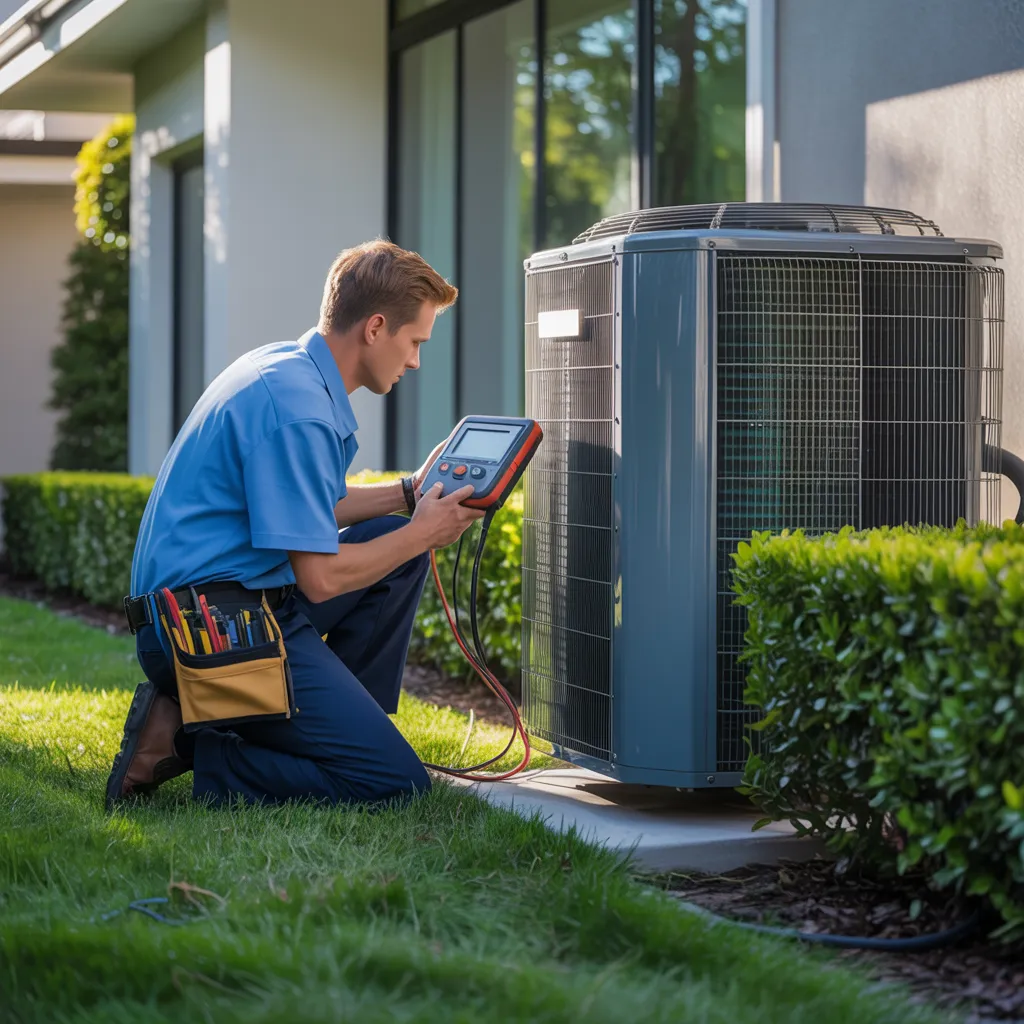
Indicators Your AC Requires Service?
When homeowners detect abnormal variations in their indoor temperature, it often signals that their air conditioning system may need repair. Other signs include odd noises, such as grinding or hissing, which can suggest mechanical faults or refrigerant leaks. In addition, pooling water around the unit may be a sign of a clogged drain line or a refrigerant leak, both requiring immediate action. Homeowners should also be alert to unusual odors coming from the AC, as these may indicate mold growth or electrical troubles. If the system frequently cycles on and off, it might be a sign of an faulty thermostat or other hidden faults. Finally, a noticeable increase in energy bills without a change in usage can point to a malfunctioning unit. Recognizing these signs early can avoid more serious damage and ensure the air conditioning system operates properly.
Frequent Air Conditioning Problems to Pay Attention To
In the realm of air conditioning upkeep, certain issues frequently arise that deserve consideration. Low airflow issues can suggest blockages or mechanical breakdowns, while strange sounds may indicate underlying mechanical concerns. Recognizing these signs early can prevent costly repairs and guarantee peak equipment operation.
Reduced Airflow Concerns
Reduced air circulation issues can significantly affect an air conditioning system's efficiency and indoor comfort. These problems typically stem from dirty filters, which restrict airflow and force the system to operate more intensely. Furthermore, blocked ducts or vents can stop cool air from circulating effectively throughout the home. One more possible reason is a faulty blower motor, which might be unable to push air sufficiently. Property owners should frequently check and swap out filters, making sure ducts are free from blockages. Neglecting low airflow can lead to increased energy costs and can strain the system, causing more severe issues down the line. Tackling these concerns quickly helps preserve peak performance and extends the life span of the air conditioning unit.
Peculiar Noises Development
Unusual noises coming from an air conditioning unit can signal underlying concerns that need immediate attention. Common noises such as grinding, hissing, or rattling often suggest mechanical problems. A grinding noise may be a sign of worn bearings or a failing motor. Hissing noises usually point to refrigerant leaks, which decrease efficiency and may cause costly repairs. Rattling often results from loose parts or debris inside the unit. These noises should never be ignored because they might escalate into more serious problems if neglected. Regular maintenance and prompt assessment by a qualified technician can help preventing these issues, ensuring the air conditioning system runs smoothly throughout the summer months. Homeowners are advised to listen to these noises carefully to maintain peak performance.
Important Care Advice to Maximize Your AC Functionality
Preserving ideal air conditioning performance demands a few essential practices. Regularly replacing or cleaning air filters is important, as clogged filters limit airflow and lower efficiency. Homeowners should check filters monthly and replace them every one to three months, depending on usage. Keeping the outdoor unit clear of debris, such as leaves and dirt, also enhances airflow, allowing the system to operate at peak efficiency.
In addition, arranging yearly professional maintenance can discover looming difficulties before they escalate further. Technicians can service fins, track refrigerant levels, and ensure all components are performing correctly. Homeowners should essential guide also look into duct sealing to block air leaks, which can trigger energy loss. Finally, keeping the thermostat at a constant setting can ease strain on the system. By adopting these critical maintenance practices, homeowners can heighten AC performance and deliver a refreshing, comfortable space during the summer months.
The Significance of Timely AC Service
Immediate AC system servicing are crucial for maintaining optimal system performance and longevity. When issues develop, delaying fixes can amplify minor concerns, resulting in more significant damage and expensive new units. A broken AC unit can also lead to higher utility costs, as the system operates more intensively to maintain comfortable conditions. Furthermore, swift repairs help maintain interior air purity, as unmaintained units may harbor mold growth and collect dust particles, possibly impacting wellbeing.
Tackling AC problems quickly can avert system malfunctions during busy summer months when demand is high. Homeowners may encounter frustration and inconvenience if their unit fails suddenly. Additionally, prompt repairs can increase the lifespan of the air conditioning system, providing long-term financial benefits and efficiency. Ultimately, prioritizing quick repairs ensures comfort and also shields the investment made in the air conditioning system, making it a vital aspect of home maintenance.
Do-It-Yourself Air Conditioning Repair Tips
Recognizing air conditioning problems can assist homeowners to manage small issues before they escalate. One of the initial is to verify the thermostat settings; making sure it's set to "cool" and the preferred temperature is right can fix many problems. Homeowners should also inspect the air filter, as a dirty filter can limit airflow and stress the system. Cleaning or replacing the filter frequently is critical for optimal performance.
Next, inspecting the external component for debris or obstructions is essential. Removing foliage, dust, and various debris can enhance air circulation and performance. Additionally, assessing for frost accumulation on the cooling coils can signal a refrigerant issue or airflow obstruction.
Finally, paying attention to unusual sounds during operation may indicate mechanical issues. By following these straightforward troubleshooting tips, homeowners can often pinpoint and fix minor AC issues, ensuring their home remains cool throughout the summer months.
When do you require to engage a trained technician for AC fixes?
When confronted with persistent air conditioning problems, how can homeowners determine when it's time to call in a professional? A few important signs can direct this choice. First, if the unit is blowing warm air despite being set to cool, it may suggest a refrigerant leak or compressor issue. Additionally, unusual noises, such as grinding or screeching, often indicate mechanical failures that require expert attention.
Frequent cycling, where the unit turns off and on continuously, can also suggest underlying problems that could deteriorate over time. Homeowners should take note of increasing utility costs, as inefficiencies often result from malfunctioning components.
Finally, if the system is over 10 years old and calls for multiple repairs, it may be more financially prudent to reach out to a technician for a comprehensive review. Spotting these signals can help confirm that the air conditioning system performs efficiently throughout the summer months.
Elements Affecting Air Conditioning Repair Costs
Recognizing the necessity for professional AC repair is just the opening; understanding the determinants that control repair expenditures is equally important. Several elements can considerably affect the final cost. First, the type of repair needed plays a crucial influence; minor fixes typically price out less than major piece replacements. The age and brand of the air conditioning unit also matter, as older models may require specialized parts that are harder to find and more dear.
Labor expenses vary by area and service provider, with some technicians charging higher rates due to their expertise or demand. Additionally, the season can impact pricing, as repairs may be more costly during peak summer months when need increases. Finally, additional services, such as routine maintenance or diagnostic fees, can contribute to the overall expense. Understanding these factors can help homeowners make informed decisions when seeking AC repair services.
Frequently Asked Queries
How Many Times Should I Book Professional AC Upkeep?
Industry professionals suggest booking air conditioning service at least once yearly, preferably before the warm months starts. Consistent inspections can prevent malfunctions, enhance performance, and extend the durability of the air conditioning unit.
Is It Feasible to Run My AC During a Power Outage?
During an power failure, cooling units cannot function, because they depend on electricity. That said, various homeowners may turn to backup power sources to supply power to their systems in a short-term fashion, securing comfort once power returns. Appropriate safeguards are important when taking such action.
What Are the Benefits of Upgrading My AC System?
Overhauling an HVAC unit optimizes energy efficiency, minimizes utility bills, enhances air freshness, maximizes well-being, and regularly incorporates sophisticated technology such as programmable management. These benefits encourage a more sustainable and enjoyable domestic setting.
What Ways Can I Optimize Air Quality Inside Using My AC?
Boosting indoor air quality with an AC system involves regular filter changes, ensuring proper ventilation, using air purifiers, and maintaining ideal humidity levels. These steps help lower allergens and contaminants, promoting a healthier indoor environment.
Do energy-efficient AC solutions exist for my property?
Numerous eco-friendly air conditioning alternatives exist, such as inverter systems, ductless mini-splits, and ENERGY STAR-rated units. These alternatives lower energy consumption while maintaining comfort, ultimately causing lower utility bills and a diminished environmental footprint.